Leaving school is a milestone that brings both excitement and uncertainty. For young people with disabilities, this stage often comes with questions about what comes next. Without the structure of school, some may feel a gap in routine, social connection, and skill development.
This is where NDIS Day Programs play an important role, offering pathways that support the shift from school to adulthood.
The Transition from School to Adulthood
The move from secondary school into adulthood can feel like a big change. For many students, school has provided not just education but also routine, social interaction, and a sense of belonging. After graduation, young people and their families often look for opportunities that will continue to support personal growth, build confidence, and prepare for future goals.
NDIS Day Programs are designed to bridge this gap, providing structured activities and learning experiences that help participants navigate the early years of adulthood.

How NDIS Day Programs Provide Structure After School
One of the biggest adjustments after leaving school is the loss of a daily timetable. Day Programs help restore that sense of structure by offering regular activities that participants can look forward to each week.
This structure can include:
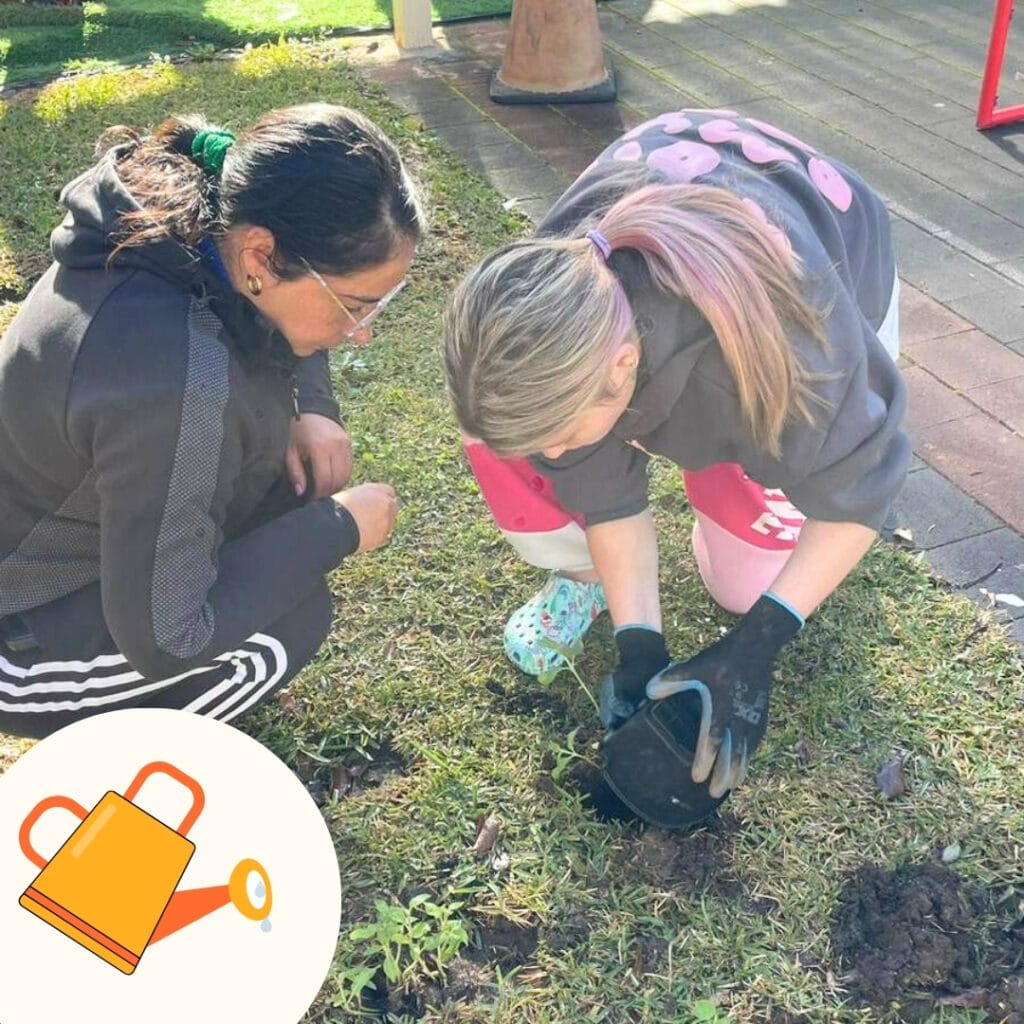
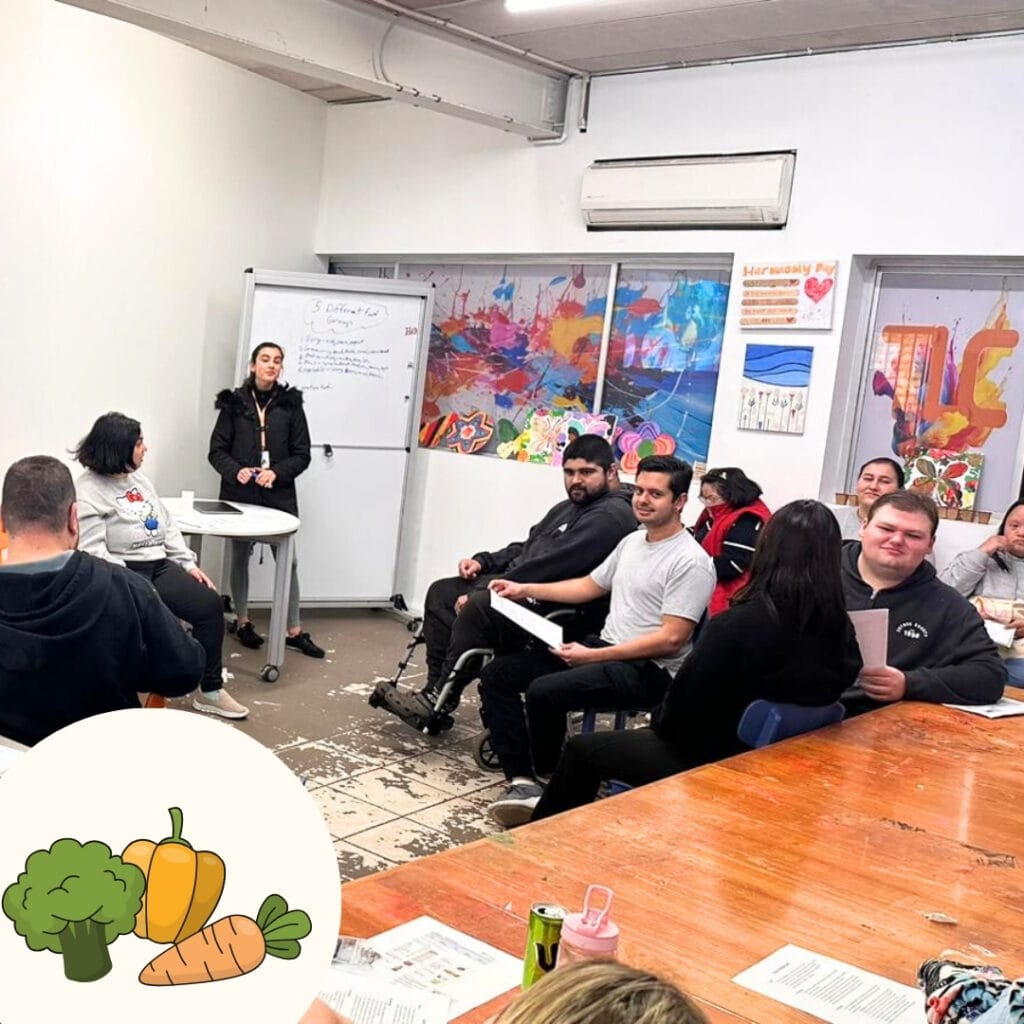
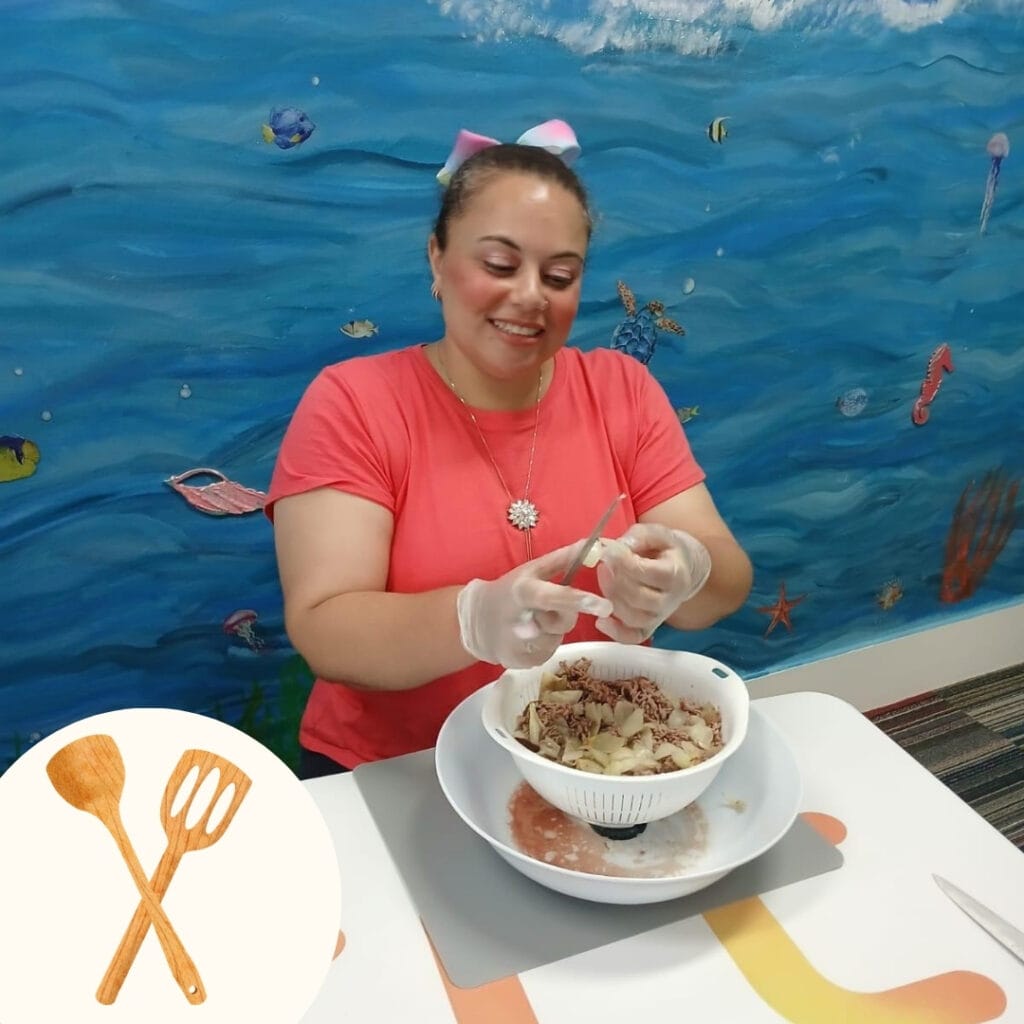
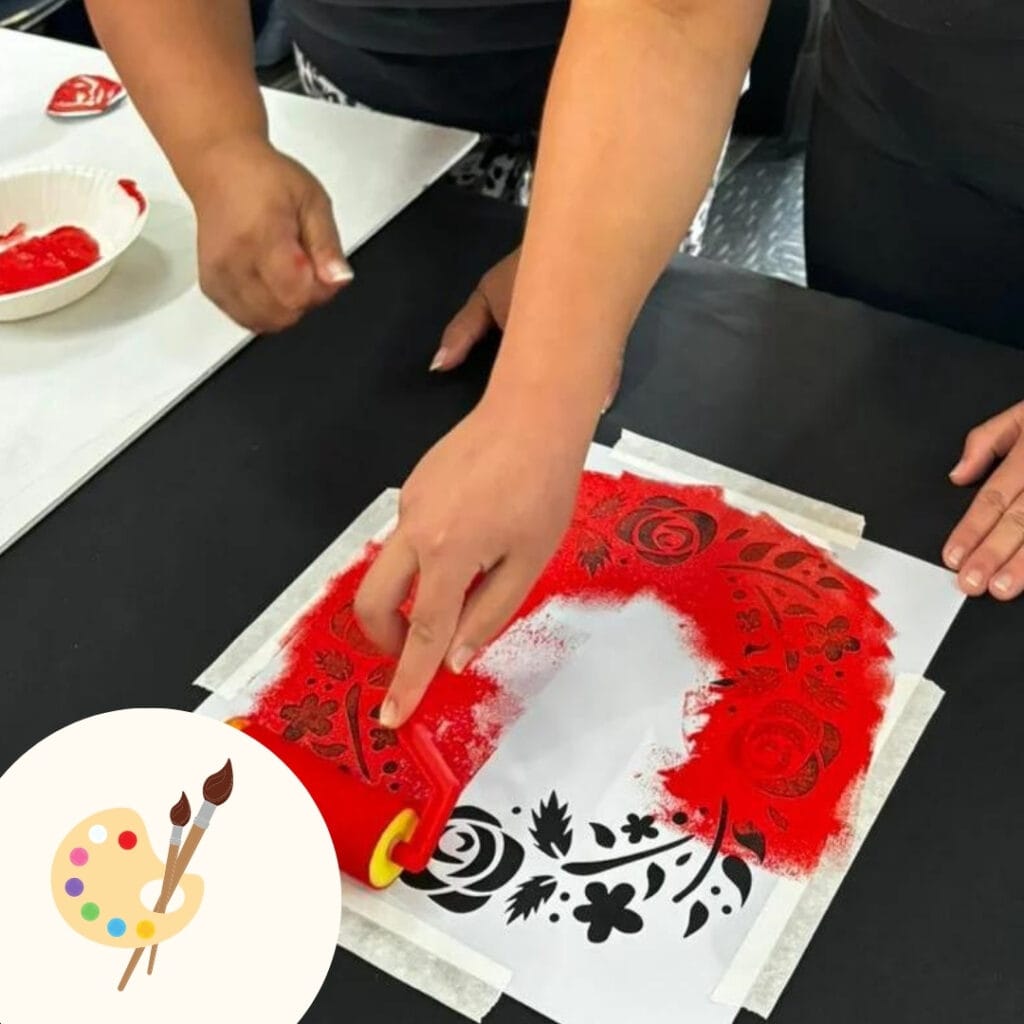
- Scheduled group activities such as cooking, art, or fitness.
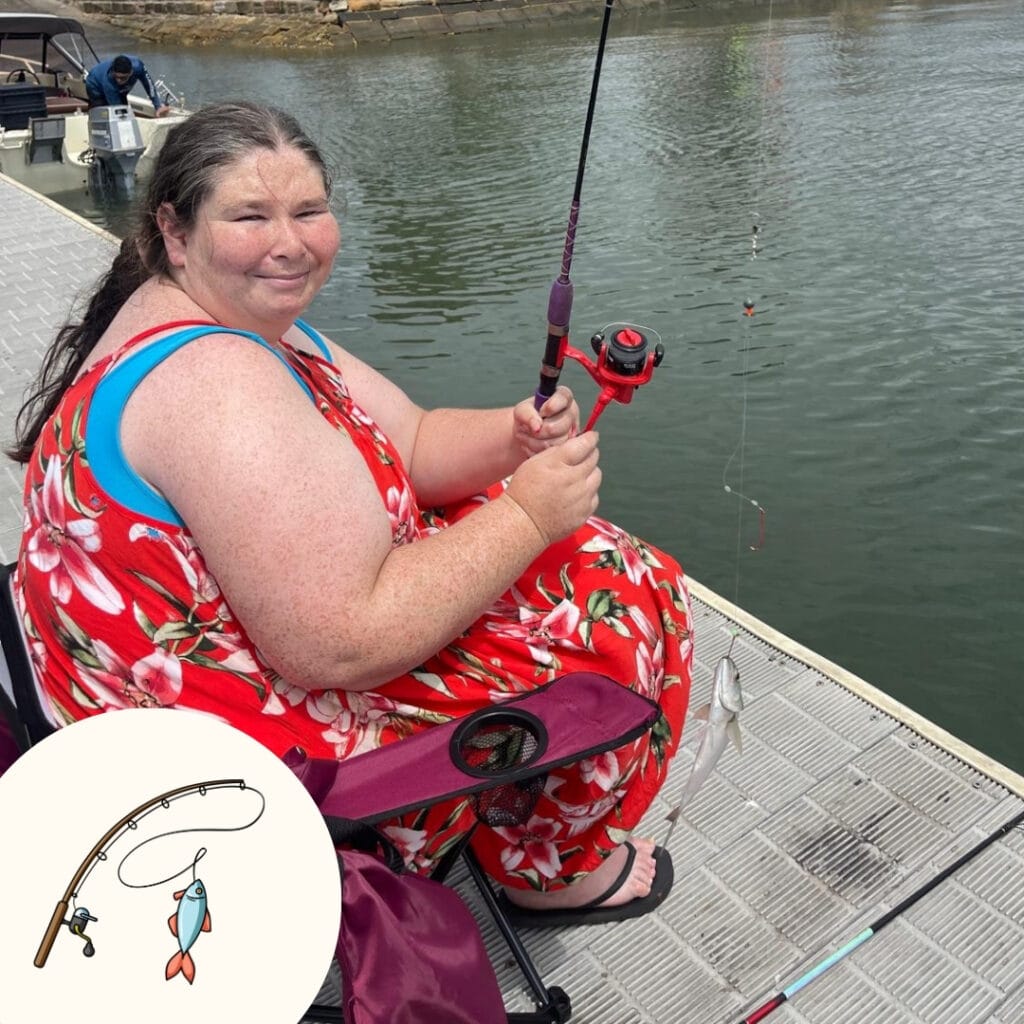
- Community outings to build confidence outside the home.
- Opportunities to practise routines that support independence.
Having a consistent program helps ease the transition, preventing feelings of isolation and giving participants a meaningful way to spend their time.
Skills for Independence
Day Programs also focus on teaching practical skills that are vital for adulthood. These are not always taught in a school setting but are essential for everyday life. Skills may include:
- Preparing meals and learning about nutrition.
- Managing money and simple budgeting.
- Using public transport safely and confidently.
- Taking care of personal wellbeing and health routines.
By building these skills, participants are better prepared to manage daily tasks and make independent choices as they grow older.
Pathways to Employment and Further Education
Many NDIS Day Programs also include activities that prepare young people for employment or further study. This might involve:
- Resume writing workshops.
- Volunteering opportunities to gain experience.
- Training in communication and teamwork.
- Guidance on exploring vocational or tertiary education options.
These experiences not only develop employability but also give participants the confidence to imagine a future that includes work or study.

Supporting Families During the Transition
The transition from school to adulthood can also be challenging for families. Parents and carers often wonder how their child will spend their time and whether they will continue to grow and thrive. Day Programs provide reassurance by creating a safe, supportive environment where young people are engaged and working towards meaningful goals.
For families, this also provides opportunities for respite, knowing their loved one is in a structured, positive setting.
How Day Programs Help Build a Positive Future Beyond School
Day Programs are more than an alternative to school — they are a foundation for adulthood. By offering structure, independence, social opportunities, and pathways to the future, they support participants in shaping the life they want to lead.
Through these programs, young people gain confidence, families feel supported, and communities become stronger through greater inclusion. The transition from school to adulthood is never without its challenges, but with the right support in place, it can also be a time of growth and possibility.